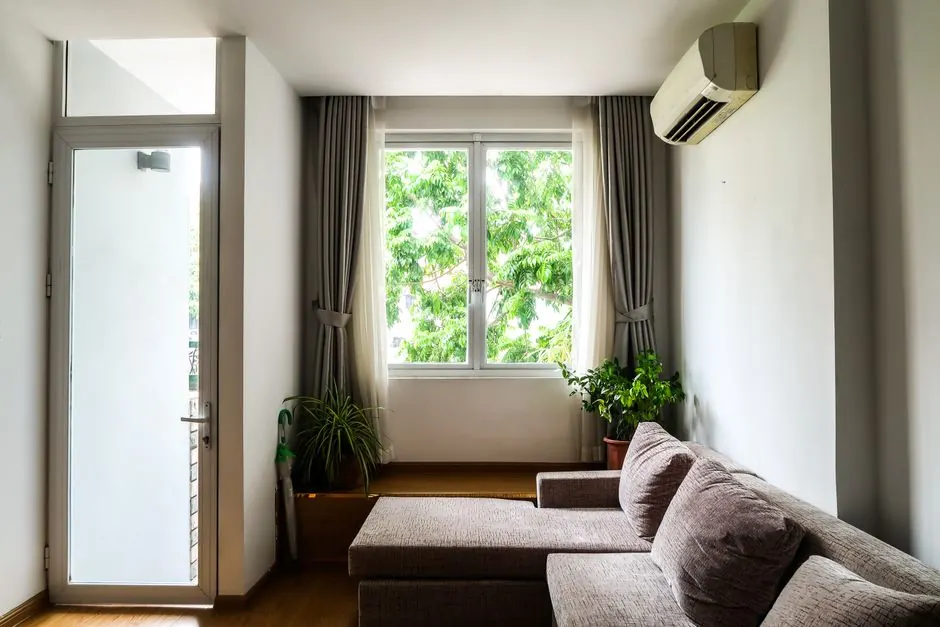
After removing mold from your home, ensuring good indoor air quality is crucial for your health and comfort. Poor air quality can lead to various health issues, even after mold has been eliminated. In this article, we will discuss effective strategies on how to improve indoor air quality after mold removal in Greenville, helping you maintain a safe and healthy environment.
We will cover essential steps to enhance air quality, best practices tailored for Greenville residents, and when to seek professional assistance.
Understanding Indoor Air Quality
Indoor air quality (IAQ) refers to the condition of air within and around buildings, particularly as it relates to the health and comfort of occupants. Factors affecting IAQ include ventilation, humidity, temperature, and the presence of pollutants such as mold, dust, and chemicals. In Greenville, where humidity levels can be high, it's essential to monitor these factors closely.
Steps to Improve Indoor Air Quality After Mold Removal
Once mold has been removed, follow these steps to improve your indoor air quality:
- Ventilation: Ensure proper ventilation throughout your home. Open windows and doors when weather permits to allow fresh air to circulate.
- Use Air Purifiers: Invest in high-efficiency particulate air (HEPA) purifiers to filter out pollutants and allergens.
- Control Humidity: Keep indoor humidity levels between 30% and 50%. Dehumidifiers can help manage moisture levels, especially in areas prone to dampness.
- Regular HVAC Maintenance: Schedule regular HVAC System Cleaning Greenville SC to ensure your system is functioning efficiently and not circulating contaminants.
- Post-Remediation Verification: Consider professional Post-Remediation Verification services Greenville SC to confirm that mold levels are safe.
Best Practices for Indoor Air Quality in Greenville
In addition to the steps above, here are some best practices specifically for residents in Greenville:
- Regular Cleaning: Dust and vacuum your home frequently to reduce dust and allergens. Use a vacuum with a HEPA filter.
- Monitor Indoor Plants: While indoor plants can improve air quality, ensure they are not overwatered, which can promote mold growth.
- Minimize Chemical Use: Opt for natural cleaning products to reduce the number of volatile organic compounds (VOCs) released into your home.
- Inspect for Water Damage: Regularly check for leaks or water damage, especially in basements and attics.
Common Mistakes to Avoid
Improving indoor air quality is vital, but there are common pitfalls to watch out for:
- Neglecting Humidity Control: Failing to manage humidity can lead to mold regrowth.
- Ignoring Air Filters: Not replacing air filters in your HVAC system regularly can hinder air quality.
- Overusing Air Fresheners: Many air fresheners contain chemicals that can worsen air quality.
When to Call a Professional
If you continue to experience air quality issues despite your efforts, it may be time to seek professional help. Emergency Mold Removal Greenville SC Pros can assist with Air Quality Testing Greenville SC to identify and address underlying problems. Our team can provide tailored solutions to ensure your home remains a safe haven.
Frequently Asked Questions
What should I do to improve indoor air quality after mold removal in Greenville?
Start by ensuring proper ventilation, using air purifiers, controlling humidity, and scheduling regular HVAC maintenance. These steps will help maintain a healthy indoor environment.
How long does it take for air quality to improve after mold removal in Greenville SC?
Typically, you may notice improvements in air quality within a few days to weeks after mold removal, depending on the steps taken to enhance ventilation and reduce humidity.
What are the best methods for improving indoor air quality in Greenville?
The best methods include regular cleaning, using air purifiers, controlling humidity levels, and ensuring proper ventilation throughout your home.
How can I tell if my air quality is poor?
Signs of poor air quality include persistent odors, increased allergy symptoms, and visible mold growth. Conducting professional air quality testing can provide more definitive results.
Is it necessary to have air quality testing after mold removal in Greenville?
Yes, air quality testing is essential to ensure that mold spores and other contaminants are at safe levels, providing peace of mind after remediation.